Disclosure: As an Amazon Associate, I earn from qualifying purchases. This means I earn a commission when you make a purchase through affiliate links on this site, at no extra cost to you.
Table of Contents
“`
Unboxing and Initial Impressions of the Panasonic LUMIX FZ80D: A First Look
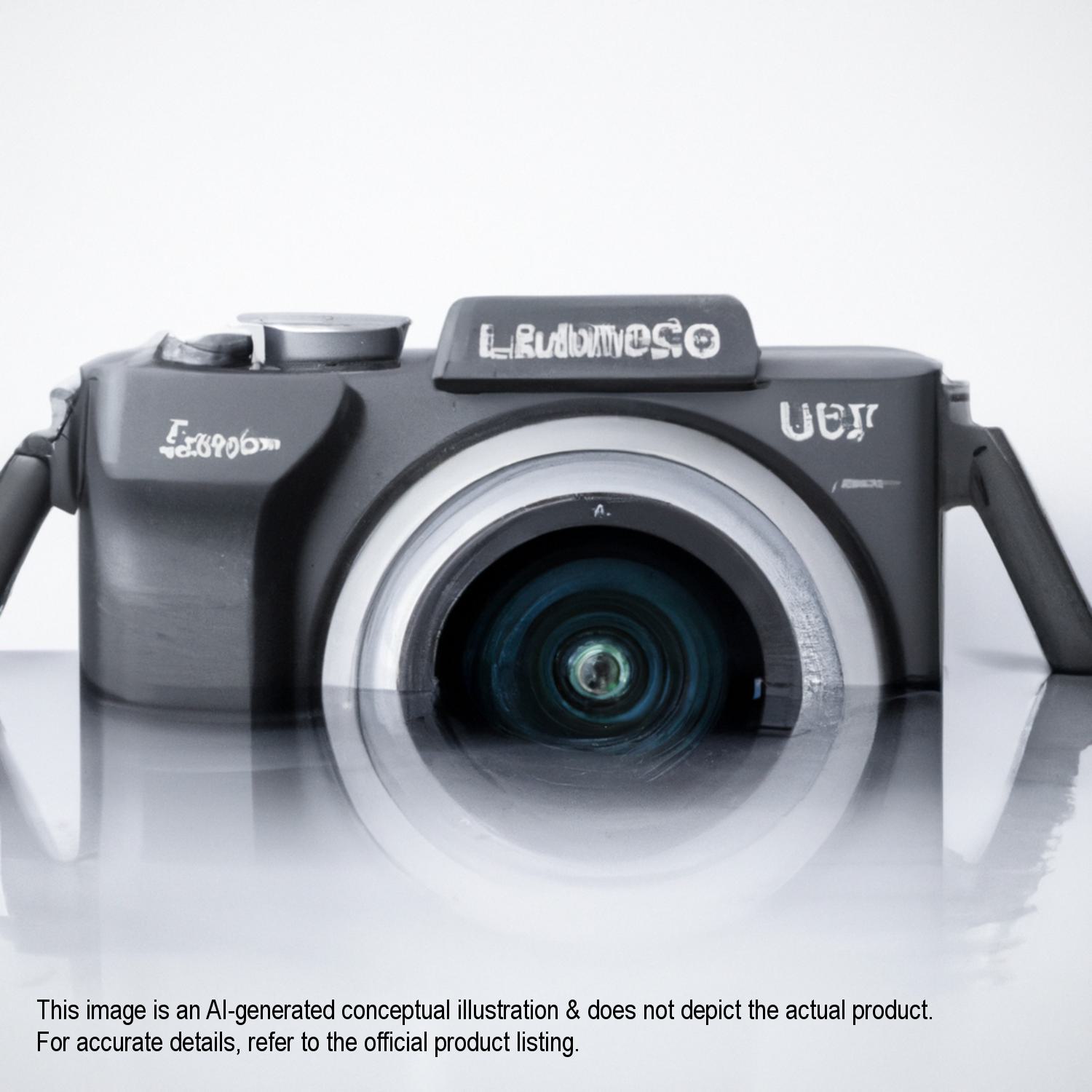
The Panasonic LUMIX FZ80D arrives promising a lot: a bridge camera with a massive 60x optical zoom lens, 4K video capabilities, and features that make it appealing for both photography enthusiasts and vloggers alike. Upon unboxing, the camera feels surprisingly compact, given its extensive zoom range. The build quality feels solid in hand, suggesting a durable device ready for various shooting conditions, from capturing sweeping landscapes to close-up details. The inclusion of an electronic viewfinder (EVF) is a welcome addition, offering a clear view even in bright sunlight, a feature that many users will appreciate.
Initial exploration of the camera reveals a user-friendly interface. The rear touchscreen is responsive and makes navigating menus and settings a breeze, even for beginners. Considering the “Panasonic FZ80 specs”, the impressive feature set includes 4K photo mode, which allows you to extract 8MP stills from your video footage. This is a handy feature for capturing fast-moving action, such as wildlife or sporting events. Comparing this to the KODAK PIXPRO AZ405-BK, which offers a 40x optical zoom, the FZ80D’s extended reach immediately sets it apart, offering even greater versatility.
The camera’s design and features point towards a camera designed for capturing a wide variety of subjects, and it is built with features ideal for vlogging too. The inclusion of Power Optical Image Stabilization (POWER O.I.S.) is another important element, promising to reduce blur and improve image quality, particularly when shooting at the telephoto end of that impressive zoom range. This initial examination shows the Panasonic LUMIX FZ80D is a compelling choice for anyone looking for a versatile, all-in-one camera solution.
Exploring the Impressive 60x Optical Zoom Lens of the Panasonic LUMIX FZ80D
Building upon the initial impressions discussed, the Panasonic LUMIX FZ80D really shines when examining its standout feature: the 60x optical zoom lens. This massive zoom range, equivalent to a 20-1200mm lens in 35mm terms, provides unparalleled versatility in a compact camera. As we noted previously, the ability to capture both wide-angle landscapes and tightly framed close-ups is a significant advantage, and this capability is at the heart of the FZ80D’s appeal. Imagine being able to photograph a hummingbird in flight, or a distant building’s architectural details, all without needing to physically move closer. This level of reach is significantly greater than the KODAK PIXPRO AZ405-BK, which offers a 40x optical zoom, limiting its ability to capture distant subjects with the same level of detail.
The practical implications of the 60x zoom are numerous. Wildlife photographers can capture stunning images of animals from a safe distance, while travel photographers can zoom in on distant landmarks and cityscapes to create compelling compositions. The “Panasonic FZ80 specs” also highlight the inclusion of Power Optical Image Stabilization (POWER O.I.S.), a crucial feature that combats the effects of camera shake, especially when shooting at the telephoto end of the zoom range. This stabilization helps to ensure that images remain sharp and clear, even when hand-holding the camera at maximum zoom. Considering other bridge cameras such as the Panasonic LUMIX G85, a mirrorless camera with interchangeable lenses, it’s evident that the FZ80D offers the convenience of an all-in-one solution with a remarkable zoom range that would otherwise require multiple lenses.
Furthermore, this zoom lens enhances the camera’s suitability for vlogging and video recording. The ability to quickly zoom in and out on subjects adds dynamism to video footage, allowing creators to capture varied perspectives without needing to physically reposition the camera. Compared to compact cameras with fixed lenses or shorter zoom ranges, the Panasonic LUMIX FZ80D offers a significant advantage in terms of creative flexibility and the ability to capture a wider range of shots. This wide-angle lens with 20mm capability also allows you to capture breathtaking landscapes with a powerful 60x zoom, which is better than other comparable devices in this price range. This massive zoom range truly sets the FZ80D apart, making it a compelling choice for anyone looking for a versatile, all-in-one camera solution.
In the next section, we will delve deeper into the 4K photo and video capabilities of the Panasonic LUMIX FZ80D to understand how it allows users to capture and preserve their precious moments.
4K Photo and Video Capabilities: Capturing Moments with the FZ80D
Building on the previous discussions surrounding the FZ80D’s impressive zoom capabilities and design, its 4K photo and video features offer another layer of versatility and creative potential. The ability to record in 4K allows users to capture footage with up to four times the resolution of Full HD, resulting in incredibly detailed videos. This is a significant advantage over cameras like the KODAK PIXPRO AZ405-BK, which offers Full HD video, but lacks the superior resolution of 4K. With the Panasonic LUMIX FZ80D Point and Shoot Digital Camera 4K Photo/Video Recording with Power Optical Image Stabilizer, Vlogging Camera with 60X Optical Zoom & 20-1200mm Wide-Angle Lens – DC-FZ80D, users can record high-quality videos perfect for viewing on modern 4K displays or cropping for enhanced composition during post-production.
Furthermore, the Panasonic LUMIX FZ80D Point and Shoot Digital Camera 4K Photo/Video Recording with Power Optical Image Stabilizer, Vlogging Camera with 60X Optical Zoom & 20-1200mm Wide-Angle Lens – DC-FZ80D‘s 4K Photo mode is a standout feature, enabling users to extract 8-megapixel stills from 4K video footage. This means you can capture fleeting moments, like a bird taking flight or a child’s candid expression, and then extract the perfect still image, ensuring you never miss a shot. This functionality is particularly useful for capturing fast-moving subjects where precise timing is crucial. This is similar to the capabilities of some of the newer 5K Digital Camera for Photography, which also features advanced vlogging capabilities. This is especially helpful if users are unsure about the perfect moment to take a photo. This feature allows users to “shoot now, focus later,” by touching the area of the screen where they’d like the focus to be, even after the shot has been taken.
In the world of bridge cameras, where versatility and ease of use are paramount, the Panasonic LUMIX FZ80D Point and Shoot Digital Camera 4K Photo/Video Recording with Power Optical Image Stabilizer, Vlogging Camera with 60X Optical Zoom & 20-1200mm Wide-Angle Lens – DC-FZ80D excels by providing these robust 4K capabilities. For those who want more versatility for vlogging, the ability to record 4K video is a must, making it a great option. These features make it well-suited for a variety of shooting scenarios, from family vacations to wildlife photography, giving users the tools they need to capture and preserve their memories in stunning detail. The next section will explore the image stabilization system and its impact on performance, particularly when leveraging the impressive zoom capabilities.
Image Stabilization and Performance: Minimizing Blur with POWER O.I.S.
Building on the previous discussions surrounding the FZ80D’s impressive zoom range and the benefits of its 4K video capabilities, it’s essential to consider how image stabilization plays a key role in achieving sharp images and smooth videos. The Panasonic LUMIX FZ80D Point and Shoot Digital Camera 4K Photo/Video Recording with Power Optical Image Stabilizer, Vlogging Camera with 60X Optical Zoom & 20-1200mm Wide-Angle Lens – DC-FZ80D features Power Optical Image Stabilization (POWER O.I.S.), designed to minimize the effects of camera shake, especially when shooting at the longer end of its 60x zoom. This is a critical feature, as even slight movements can significantly blur images at high zoom levels. It’s an advantage that helps users capture crisp photos and steady videos, whether shooting handheld or in challenging lighting conditions. This is a key advantage, providing clear, glare-resistant images in bright sunlight.
Comparing the Panasonic LUMIX FZ80D Point and Shoot Digital Camera 4K Photo/Video Recording with Power Optical Image Stabilizer, Vlogging Camera with 60X Optical Zoom & 20-1200mm Wide-Angle Lens – DC-FZ80D to the KODAK PIXPRO AZ405-BK 20MP Digital Camera 40X Optical Zoom 24mm Wide Angle Lens Optical Image Stabilization 1080P Full HD Video 3, which also includes optical image stabilization, it’s clear that both cameras aim to address the common challenge of camera shake. However, the FZ80D’s POWER O.I.S. is particularly effective at longer focal lengths, providing a more reliable experience when fully zoomed in, and enabling the user to take better shots, even at the maximum 1200mm. The reviews for the camera often highlight the effectiveness of the image stabilization, allowing for clear shots, even in low light situations, as the user stated, “I took the camera to the hockey rink and shot in the lighting available in sports mode and was able to capture some great shots”. This feature contributes to improved image quality, making it easier to capture sharp images. It is also a very helpful feature if you’re looking to create content for vlogging, as the quality is great.
Furthermore, the impact of POWER O.I.S. extends to video recording. By minimizing shake, the FZ80D helps produce smoother, more professional-looking footage. The image stabilization is a critical aspect of “Panasonic FZ80 specs” and enhances the overall user experience, especially for those new to photography or videography. Considering the versatility of the FZ80D, a camera such as the Panasonic LUMIX G85, with in-body image stabilization, might require more manual adjustment to achieve similar results, whereas the FZ80D’s built-in system simplifies the process and allows users to focus more on framing their shots. The inclusion of a stabilizing system helps to ensure that images remain sharp and clear, even when hand-holding the camera at maximum zoom.
This focus on image stabilization translates to enhanced performance across various shooting scenarios. Whether capturing stills or recording videos, the FZ80D’s POWER O.I.S. is a core feature that improves image quality, and helps users achieve their creative vision, setting it apart from competitors in its class. In the next section, we will delve into the user-friendly features of the FZ80D, focusing on how its touchscreen and electronic viewfinder contribute to an intuitive shooting experience.
User-Friendly Features: Navigating the Touchscreen and Electronic Viewfinder
Following our exploration of the Panasonic LUMIX FZ80D Point and Shoot Digital Camera 4K Photo/Video Recording with Power Optical Image Stabilizer, Vlogging Camera with 60X Optical Zoom & 20-1200mm Wide-Angle Lens – DC-FZ80D‘s image stabilization capabilities, a crucial aspect of its user-friendliness becomes apparent: the intuitive interface provided by its touchscreen and electronic viewfinder (EVF). These features work in tandem to create a seamless shooting experience, making the camera accessible to both beginners and seasoned photographers alike. As we touched on earlier, the rear monitor with touch capabilities enhances the ease of use by allowing users to set focus and even release the shutter with a simple tap, enhancing the user experience.
The Panasonic LUMIX FZ80D Point and Shoot Digital Camera 4K Photo/Video Recording with Power Optical Image Stabilizer, Vlogging Camera with 60X Optical Zoom & 20-1200mm Wide-Angle Lens – DC-FZ80D‘s 3-inch touchscreen LCD offers a responsive and clear display, making it easy to navigate menus, adjust settings, and review images. This is particularly beneficial for those accustomed to smartphones, as the touch interface feels familiar and straightforward. Furthermore, the touchscreen facilitates touch-to-focus functionality, allowing you to select your focus point with precision, especially useful when photographing fast-moving subjects or in challenging lighting conditions. In contrast, the KODAK PIXPRO AZ405-BK might lack the same level of touchscreen responsiveness, potentially making manual adjustments and menu navigation a bit more cumbersome.
Complementing the touchscreen is the 2,360K-dot electronic viewfinder (EVF). The EVF provides a clear and bright view of the scene, even in bright sunlight, where the LCD screen can sometimes be difficult to see. This is especially helpful when composing shots at the telephoto end of the zoom range, ensuring you can accurately frame your subject. While cameras like the Panasonic LUMIX G85 feature a more advanced EVF with a higher resolution, the Panasonic LUMIX FZ80D Point and Shoot Digital Camera 4K Photo/Video Recording with Power Optical Image Stabilizer, Vlogging Camera with 60X Optical Zoom & 20-1200mm Wide-Angle Lens – DC-FZ80D‘s EVF provides a clear and functional viewing experience, which is expected for a bridge camera in this class. With a clear view finder, you can also view your screen without glare. The EVF also offers the ability to review your photo, making sure you captured it to your liking, and make sure that you didn’t miss a detail. The EVF and touchscreen work harmoniously, providing flexibility in how you choose to compose and capture your images.
Overall, the combination of the touchscreen and EVF significantly enhances the user-friendly nature of the Panasonic LUMIX FZ80D Point and Shoot Digital Camera 4K Photo/Video Recording with Power Optical Image Stabilizer, Vlogging Camera with 60X Optical Zoom & 20-1200mm Wide-Angle Lens – DC-FZ80D. These features make it easier to learn and master the camera’s many capabilities. Next, we will be looking at how the FZ80D’s design and features provide an excellent platform for vlogging.
FZ80D for Vlogging: Evaluating the Built-in Microphone and Connectivity Options
As we previously discussed, the Panasonic LUMIX FZ80D Point and Shoot Digital Camera 4K Photo/Video Recording with Power Optical Image Stabilizer, Vlogging Camera with 60X Optical Zoom & 20-1200mm Wide-Angle Lens – DC-FZ80D offers a compelling array of features that make it an attractive option for both photography and videography, including vlogging. One crucial aspect to consider for vlogging is the quality of the built-in microphone and the available connectivity options. While the FZ80D’s internal microphone might suffice for casual use, its performance is crucial in capturing quality audio, which is an important aspect for a professional-looking vlog.
The Panasonic FZ80 specs include an internal stereo microphone, positioned on the top of the camera. While this microphone will capture sound, it’s essential to understand its limitations. In noisy environments or when recording from a distance, the built-in microphone may pick up unwanted background noise, potentially detracting from the audio quality of your videos. Comparing this to a camera like the 5K Digital Camera for Photography, 64MP Touchscreen WiFi Camera with Autofocus 6X Optical & 16X Digital Zoom, Dual-Lens Vlogging Camera for YouTube Video Anti-Shake, Travel Compact Camera with Flash, which offers dual-lens capabilities alongside microphone jacks and other vlogging-specific features. The 5K Digital Camera for Photography potentially offers a superior experience by offering an external microphone input, providing more versatility.
Fortunately, the Panasonic LUMIX FZ80D Point and Shoot Digital Camera 4K Photo/Video Recording with Power Optical Image Stabilizer, Vlogging Camera with 60X Optical Zoom & 20-1200mm Wide-Angle Lens – DC-FZ80D provides a hot shoe, which is a significant advantage. This allows you to attach an external microphone, significantly improving audio quality by reducing background noise and capturing clearer sound. The ability to connect an external microphone gives users greater control over their audio and creates higher quality videos. The Panasonic LUMIX FZ80D Point and Shoot Digital Camera 4K Photo/Video Recording with Power Optical Image Stabilizer, Vlogging Camera with 60X Optical Zoom & 20-1200mm Wide-Angle Lens – DC-FZ80D also supports Wi-Fi connectivity, as discussed earlier, enabling users to easily transfer files. The Panasonic LUMIX FZ80D Point and Shoot Digital Camera 4K Photo/Video Recording with Power Optical Image Stabilizer, Vlogging Camera with 60X Optical Zoom & 20-1200mm Wide-Angle Lens – DC-FZ80D supports USB Type-C charging, which is also convenient.
In conclusion, while the built-in microphone on the Panasonic LUMIX FZ80D Point and Shoot Digital Camera 4K Photo/Video Recording with Power Optical Image Stabilizer, Vlogging Camera with 60X Optical Zoom & 20-1200mm Wide-Angle Lens – DC-FZ80D is adequate for basic vlogging, the ability to connect an external microphone via the hot shoe is a major plus for anyone serious about audio quality. This versatility, combined with its other features, makes the Panasonic LUMIX FZ80D Point and Shoot Digital Camera 4K Photo/Video Recording with Power Optical Image Stabilizer, Vlogging Camera with 60X Optical Zoom & 20-1200mm Wide-Angle Lens – DC-FZ80D a well-rounded option. The next section will address the performance of this camera at low light.
Low-Light Performance: Assessing Image Quality and ISO Capabilities
Building upon the discussion about the Panasonic LUMIX FZ80D’s built-in microphone and vlogging capabilities, we’ll now examine its performance in low-light conditions and evaluate its ISO capabilities. The ability to capture clear and detailed images in low light is a critical factor for any camera, influencing its versatility across various shooting scenarios. The Panasonic FZ80 specs include an ISO range that allows for capturing images in darker environments.
The FZ80D’s performance in low light is a frequent subject of customer reviews, with mixed results often reported. While the camera can produce acceptable images in low light, noise levels tend to increase at higher ISO settings, which can diminish image quality. The 20MP digital camera from KODAK PIXPRO AZ405-BK, for example, which is equipped with optical image stabilization may similarly struggle to perform well when light is low. The impact of the smaller sensor size often found in bridge cameras can also influence low-light performance. One reviewer stated that “the images in low light conditions aren’t as good”. The camera is intended for many types of use, but low light scenarios are certainly an area of focus for photographers.
The FZ80D offers an ISO range, usually with an expanded range, allowing users to adjust the camera’s sensitivity to light. However, as the ISO is increased, digital noise becomes more apparent, leading to a loss of detail and sharpness. To mitigate this, photographers can use the camera’s noise reduction settings, but these can also soften the image, leading to a trade-off. However, by using the sports mode on the camera, a reviewer was able to capture excellent pictures, stating that “I took the camera to the hockey rink and shot in the lighting available in sports mode and was able to capture some great shots”. The key is finding the right balance between ISO, shutter speed, and aperture to achieve the desired result. Another option, such as using the Panasonic LUMIX G85, with more manual control for low light, provides more flexibility.
Ultimately, the Panasonic LUMIX FZ80D is a versatile bridge camera, and its low-light performance is adequate for casual use, but photographers seeking professional-grade low-light capabilities might find it limiting. Users should carefully assess the lighting conditions and adjust settings accordingly. In the next section, we will compare the zoom ranges of the FZ80D with similar cameras, providing further insights into its strengths and weaknesses.
Comparing Zoom Ranges: The Panasonic LUMIX FZ80D Versus Similar Camera
As we’ve discussed throughout this overview, the Panasonic LUMIX FZ80D truly stands out with its impressive 60x optical zoom lens, which offers a 20-1200mm equivalent focal range. In contrast to that extensive reach, other cameras in this product space often offer different zoom ranges, which directly impacts their versatility. For example, the KODAK PIXPRO AZ405-BK, while providing a respectable 40x optical zoom, cannot match the FZ80D’s ability to capture extremely distant subjects with as much detail. This difference makes the Panasonic LUMIX FZ80D a better choice for wildlife photography, sports photography, and capturing distant landmarks, as its longer zoom allows for more significant magnification without sacrificing image quality, thanks to the POWER O.I.S. stabilization.
When we consider the competition, the Panasonic LUMIX FZ80D differentiates itself. The 5K Digital Camera for Photography includes 6X optical and 16X digital zoom, and while these are decent numbers, they’re overshadowed by the FZ80D’s 60x optical zoom. This allows for superior flexibility in composing shots and achieving the desired level of magnification. Similarly, the Panasonic LUMIX G85, a mirrorless camera with interchangeable lenses, offers versatility, but achieving a comparable zoom range would require the purchase of multiple, often expensive, lenses, unlike the FZ80D’s all-in-one approach. Moreover, some bridge cameras, such as the KODAK PIXPRO AZ405-BK, may be similar in design, but their zoom ranges typically fall short. The 60x zoom, therefore, opens up creative possibilities that aren’t available with cameras boasting lesser zoom capabilities.
Ultimately, the choice of camera often comes down to the photographer’s specific needs and the subject matter they intend to capture. For those seeking the longest possible reach in a compact package, with the added benefit of 4K video capabilities and effective image stabilization, the Panasonic LUMIX FZ80D is a clear winner in this comparison, due to the breadth of its zoom range. In the next section, we’ll weigh the pros and cons of the Panasonic LUMIX FZ80D to give you a definitive recommendation for this versatile camera.
Is the Panasonic LUMIX FZ80D the Right Camera for You? Pros and Cons
Considering all that we’ve covered, from the impressive zoom range to the 4K video capabilities and the user-friendly interface, you may be wondering if the Panasonic LUMIX FZ80D is the right camera for your needs. The answer, as with any piece of technology, isn’t a simple yes or no; it depends on your individual priorities and shooting style. Therefore, let’s carefully assess the pros and cons to help you make an informed decision.
On the positive side, the FZ80D’s 60x optical zoom lens offers unparalleled versatility, making it ideal for capturing everything from wide landscapes to detailed close-ups, something you won’t easily find with cameras like the KODAK PIXPRO AZ405-BK, which offers a smaller zoom. Its 4K video recording capabilities and 4K Photo mode provide excellent options for capturing both high-quality video and extracting stunning stills from your footage. The inclusion of Power Optical Image Stabilization (POWER O.I.S.) is a significant advantage, particularly when shooting at the longer end of the zoom, ensuring sharper images. Additionally, the user-friendly touchscreen and electronic viewfinder enhance the overall shooting experience, making it accessible even for beginners. The FZ80D’s internal microphone is a good starting point for vlogging and can be improved with the hot shoe, allowing you to connect an external microphone.
However, the Panasonic LUMIX FZ80D also has its drawbacks. As noted earlier, low-light performance can be a challenge. While the camera is usable in low-light conditions, image noise can become noticeable at higher ISO settings, potentially affecting image quality. Those looking for professional-grade low-light performance might want to consider alternatives or supplement with additional lighting. Also, the camera’s fixed lens means you cannot change lenses. For instance, the Panasonic LUMIX G85 offers lens interchangeability but at the cost of a higher price point and a more complex system. Finally, while the touchscreen and EVF are helpful, some users may find the camera’s menus a bit overwhelming at first.
In conclusion, the Panasonic LUMIX FZ80D is a compelling choice for anyone seeking a versatile, all-in-one camera with an incredible zoom range, 4K video capabilities, and user-friendly features. However, potential buyers should be aware of its limitations in low-light conditions and consider their specific shooting needs. If you value versatility and are willing to adapt to the camera’s quirks, the FZ80D is a solid choice. If you prioritize exceptional low-light performance or prefer the flexibility of interchangeable lenses, exploring other options might be more suitable. Next, we will provide the final verdict and provide a recommendation of the Panasonic LUMIX FZ80D for versatile photography.
Final Verdict: Recommendation of the Panasonic LUMIX FZ80D for Versatile Photography
Having explored the Panasonic LUMIX FZ80D through its unboxing, zoom capabilities, 4K features, image stabilization, user-friendly design, vlogging potential, and low-light performance, along with comparisons to the KODAK PIXPRO AZ405-BK, the Panasonic LUMIX G85, and others, we’ve gained a comprehensive understanding of what this camera offers. The main takeaways center on its remarkable 60x optical zoom lens, which provides incredible versatility, the ability to record detailed 4K video, and its user-friendly interface. These features, combined with effective image stabilization and a suite of additional functionalities, position the FZ80D as a strong contender in the bridge camera market.
The central value proposition of the Panasonic LUMIX FZ80D is clear: it’s an all-in-one solution for photographers who want both a powerful zoom range and high-quality video capabilities, all within a compact and portable body. While low-light performance may not rival dedicated cameras, the POWER O.I.S. system, the 4K video and photo modes, and the intuitive touchscreen, provide a user-friendly and creative experience. The ability to switch seamlessly between wide-angle shots and extreme close-ups, thanks to that impressive 60x zoom, sets it apart, allowing users to capture a wider range of subjects without changing lenses, which distinguishes it from options like the Panasonic LUMIX G85. For aspiring vloggers, its compact size and video capabilities are very appealing.
Addressing potential remaining concerns, remember that while the FZ80D excels in many areas, low-light situations may require some adjustments to settings and an awareness of potential noise. However, the benefits of its versatility, from the wide-angle capabilities to the telephoto reach, outweigh these minor drawbacks. The Panasonic LUMIX FZ80D specs reveal a camera built for ease of use, making it simple for people to get started with content creation. We can also see that it is ideal for those who are starting out in photography, or for experienced people to have as a backup. The FZ80D delivers impressive features, especially at its price point.
Therefore, considering the impressive 60x zoom, 4K video recording, effective image stabilization, and user-friendly design, the Panasonic LUMIX FZ80D comes highly recommended. It stands out when compared to other models such as the KODAK PIXPRO AZ405-BK, offering a superior zoom range and enhanced video capabilities. If you’re looking for a versatile camera capable of capturing stunning landscapes, detailed close-ups, and high-quality video, look no further. This camera will give you the chance to capture more moments than other similar devices. Head to Amazon now to check out the current prices and take the next step toward enhancing your photography and video capabilities with the Panasonic LUMIX FZ80D!
Disclosure: As an Amazon Associate, I earn from qualifying purchases. This means I earn a commission when you make a purchase through affiliate links on this site, at no extra cost to you.